

People will often ask, “Is this a good guitar”? Or “Is this guitar better than that guitar”. To answer that question I break it down into 6 points of evaluation.
How good is the design?
How good are the materials?
How much time, effort and skill went into the construction?
How does it sound?
Is the guitar easy and enjoyable to play?
Mojo. Does it have a cool or unique vibe?
The first 3 you can apply to any manufactured product. The next 3 are more specific to the guitar. You can rate how a guitar fares in each of these points on a scale of 1 to 10. While the first 5 have more established standards to measure by, the last one is really up to you.
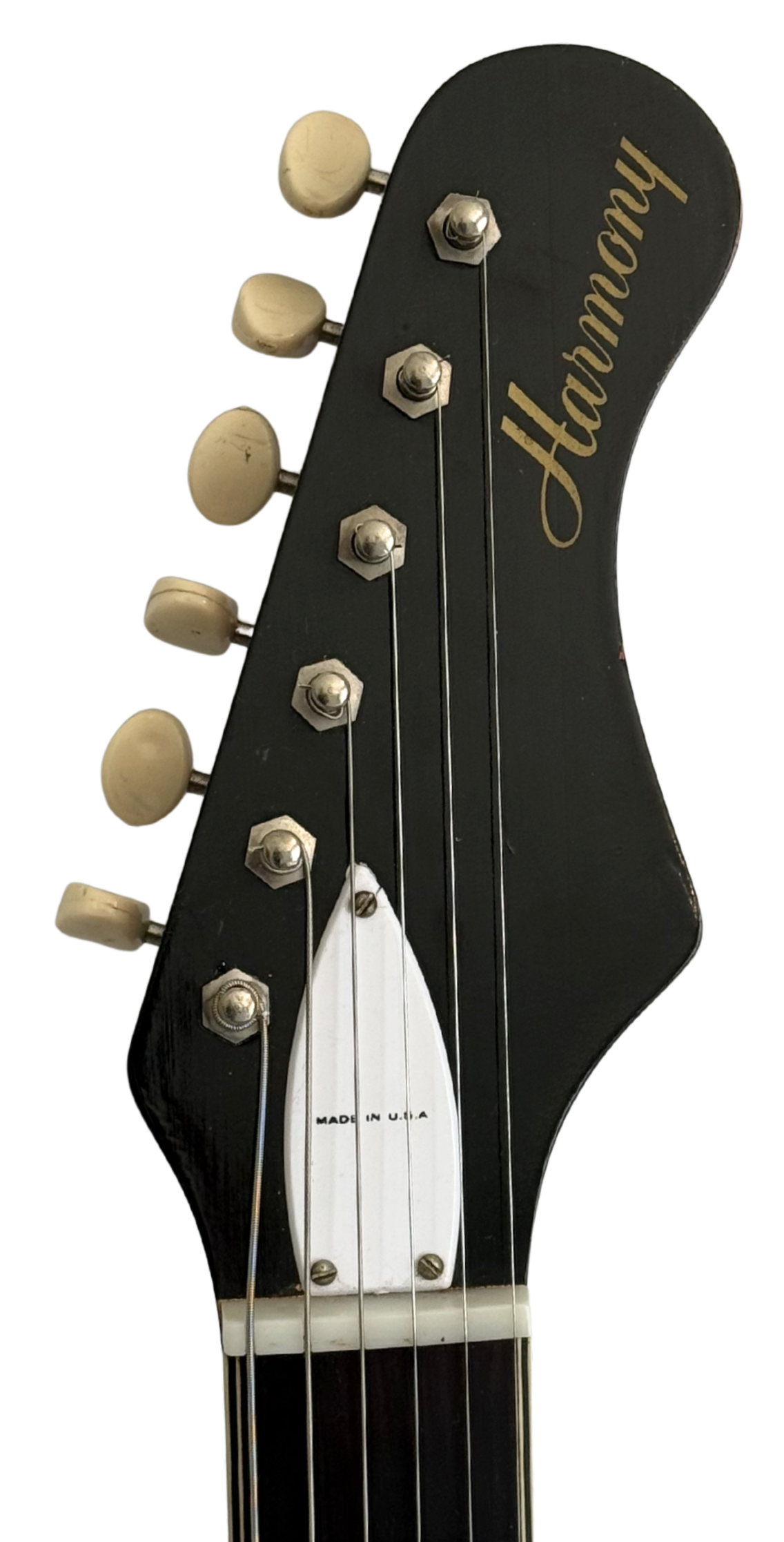
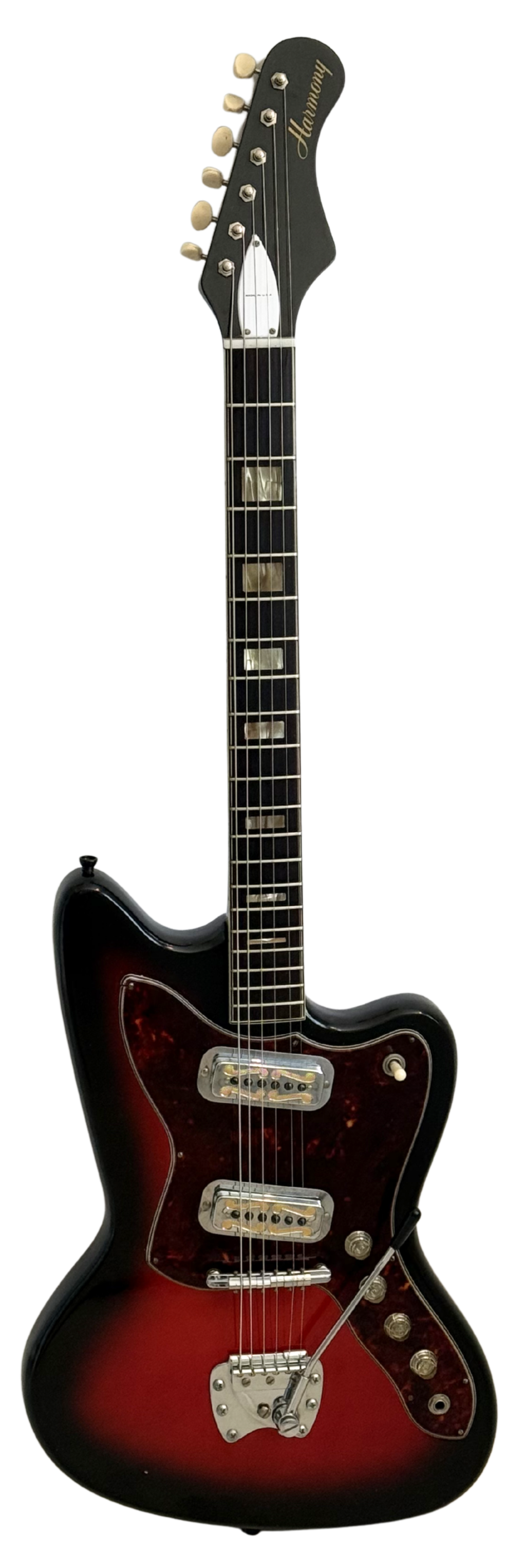
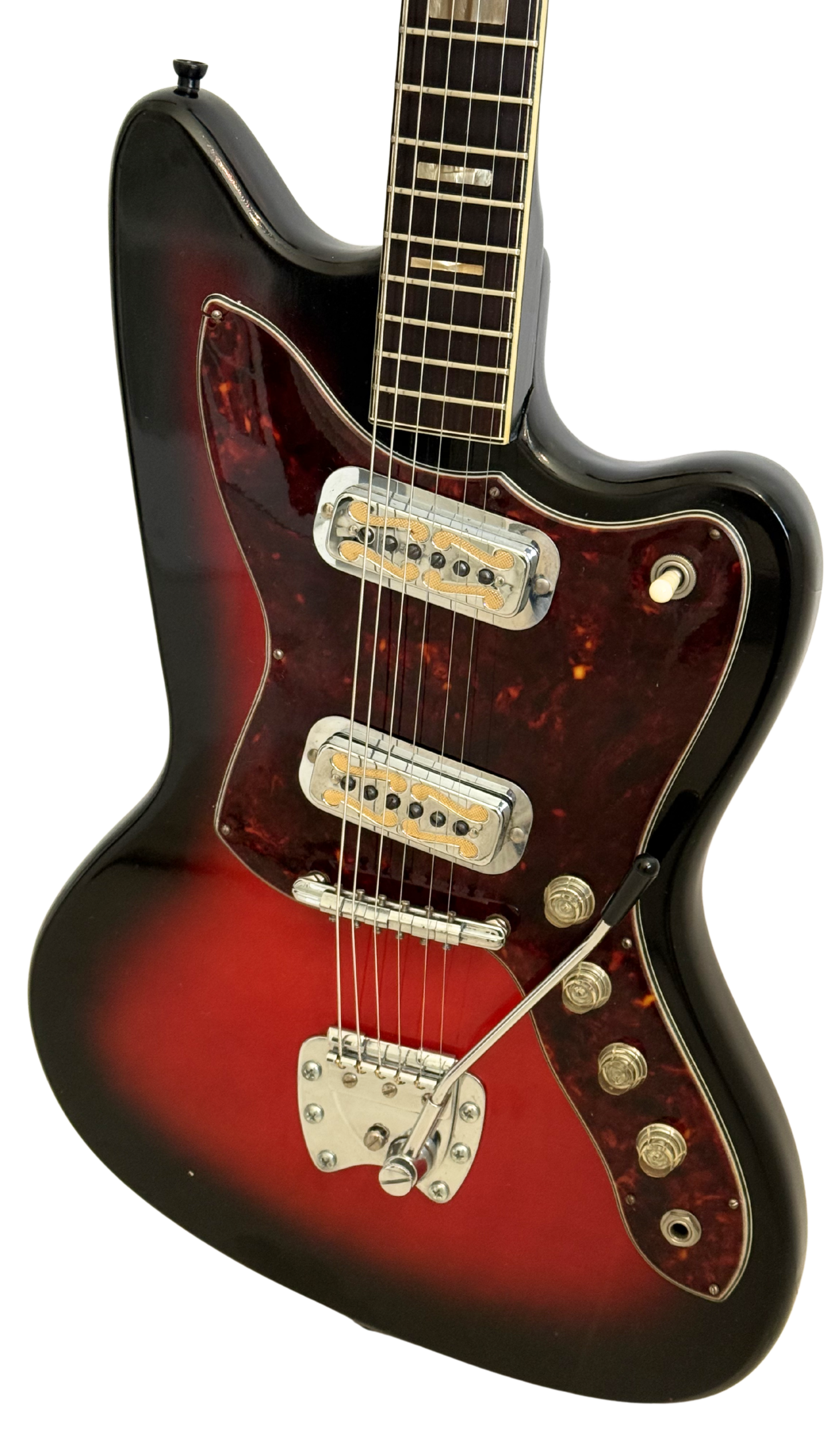
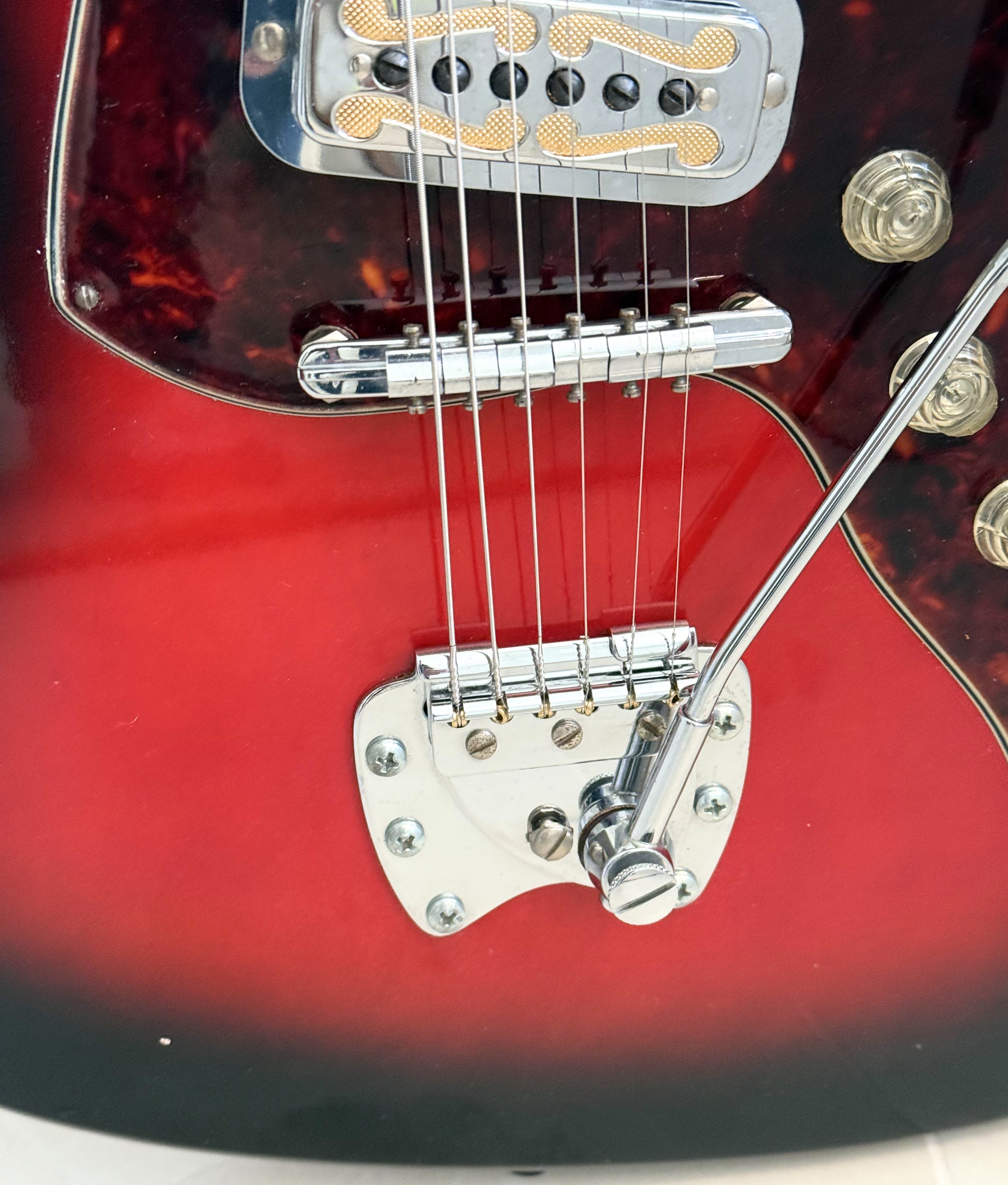
This is the Harmony H-19 Silhouette. It was first introduced in 1963 as Harmony’s finest solid body electric guitar. The guitar was billed as truly a professional model. It featured a cherry red finish sometimes referred to as “red burst” or “cinnamon burst”. It sported an oval shaped neck with rosewood fingerboard and has inlays and binding. 7 pearloid position markers, corresponding side dots - 16 frets clear of the body. Two Dearmond made Gold Foil single coil pickups with adjustable pole pieces. The Silhouette had what Harmony referred to as a precisely engineered Type H Vibrato-Tailpiece. Marketing claimed that it would sustain your playing with beautiful vibrato effects. It had a 6-way adjustable metal bridge. 3-way pickup selector switch. One volume and one tone control dedicated to each pickup. Silhouettes were also branded as Silvertone and Holiday for distribution in the major department stores. The model was discontinued in 1967.
If we put it through our rating scale with 1 being the lowest and 10 being the highest, here is how I would evaluate it.
Design is a 6
Harmony was clearly going after the double cutaway, solid body Stratocaster design which was hugely popular at the time. It has 6 in-line tuners and a floating vibrato. The neck and body are pretty good. These guitars were sold at about half the price of a Stratocaster. Harmony had to cut some corners and used scaled manufacturing efforts to made a good product for that lower price. It doesn’t feel as refined as a Strat. The vibrato is often referred to as a “Hagstrom Trem”, a design first popularized in the 60’s by the Swedish made Hagstrom guitars. It’s more of a vibrato than a tremolo and the tuning stability isn’t quite the same as a Strat.
Materials are an 8
That’s right.. This may surprise some, but Harmony was an American company that had access to the same wood as Gibson in 1963. They were also using Brazilian Rosewood on their fretboards. They had good quality Honduran Mahogany and Eastern Hard Maple. Metals quality was better in 1963. The steel and cooper available was just better than what we have access to today.
Time and skill spent manufacturing is a 5
While the craftsmanship and standards for workers were high in the early 60’s, these guitars were designed to be made quickly, at scale for an affordable price. Manufacturing technology was limited back then and they weren’t able to have the degree of consistency that we have today.
Sound is a 7
Original Dearmond Gold Foil pickups sound amazing. If you’ve ever played a guitar with them, you know. They are The Sound of blues and low-fi garage rock. They have a punchy growl and a true vintage organic overdrive tone that is truly unique. They can feedback a bit at high volumes, but that’s part of the charm. People today look for vintage sets of Gold Foils and modify a new guitar by adding them in order to get that tone.
Playability is a 5
While it is definitely an enjoyable guitar to play, if you haven’t played a vintage budget electric like this you might notice it feels rougher compared to a modern electric. This is mainly due to design. Neck angle, headstock angle, limited bridge design. The action can be a higher on them sometimes. A good setup performed by a professional can help to some degree.
Mojo is a 9
From surf or blues to garage rock and punk this guitar has a unique vibe that’s all its own. The red burst finish and tortoise shell pickguard scream 60’s. This guitar is as warm as it gets. There’s nothing sterile feeling or sounding about these. Even the original case is funky with its shape that’s molded to the body contours of the guitar and red plush interior that looks like something out of my neighbors van in the 70’s.
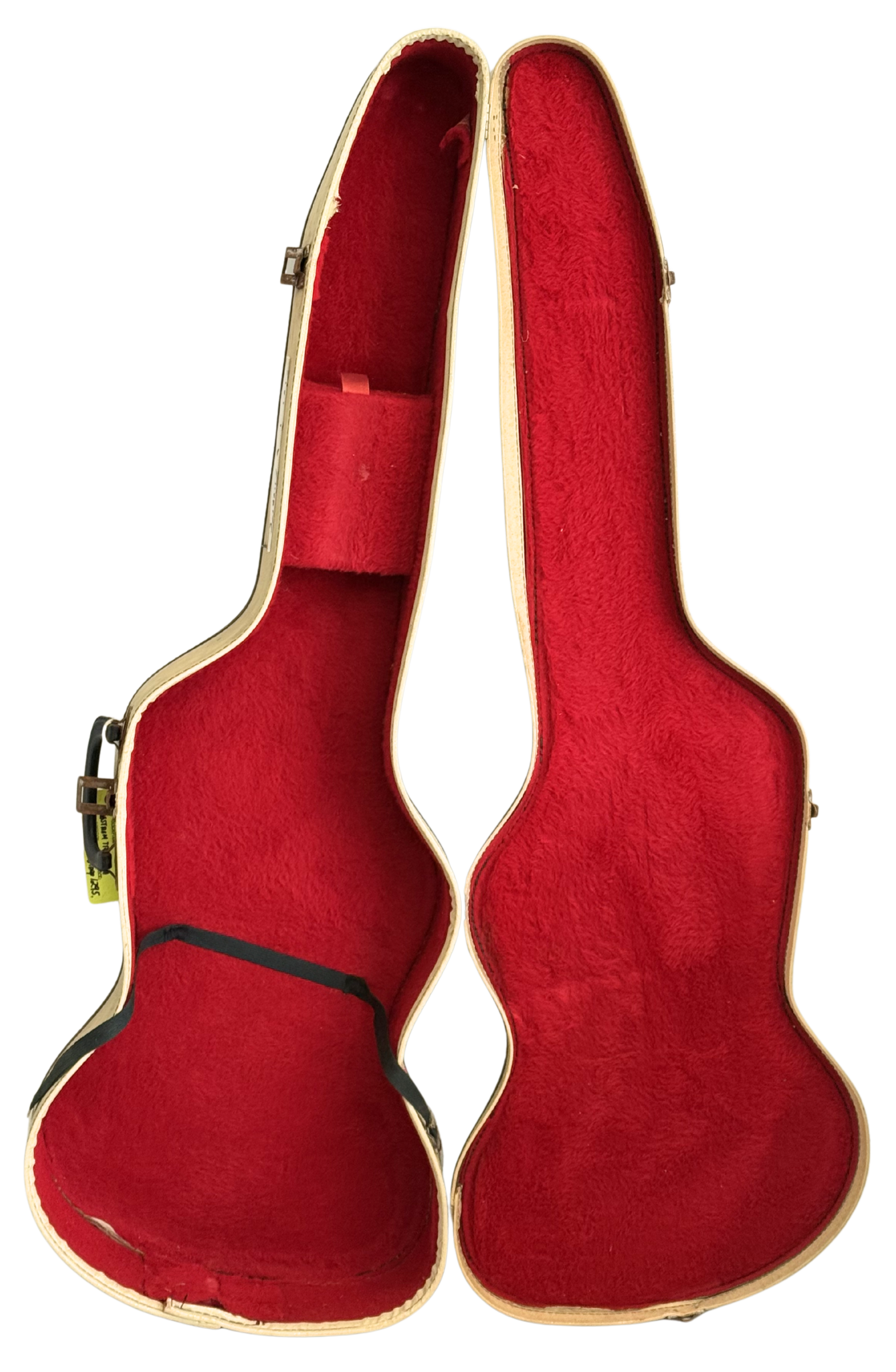
Like many made in the U.S.A. guitars from 60’s these are getting harder to find. There are several modern era guitarists that play vintage Harmony electrics like this Silhouette and know how special they are, especially on the Mojo and tone scale. Artists like Dan Auerbach of the Black Keys, Annie Clark of St. Vincent and Jack White of the White Stripes. If you find one, play it, experience the awesomeness for yourself and you will see!